Building the Sourcing Plan

(Your Roadmap to Success)
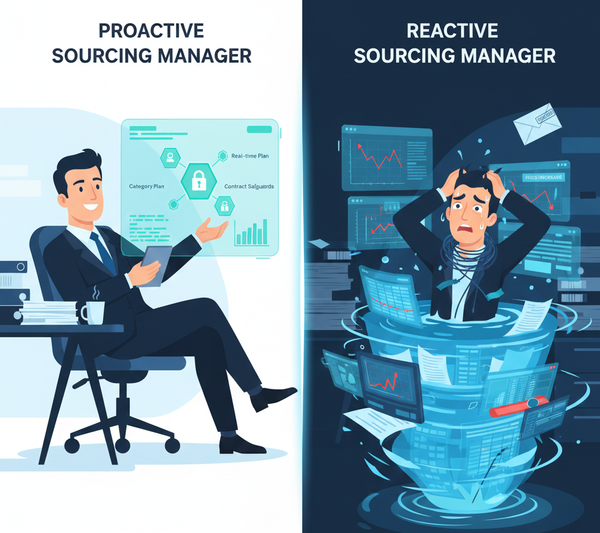
You’ve aligned stakeholders and turned their wish lists into measurable objectives. Great. Now comes the part where you actually figure out how to deliver. Enter the sourcing plan (your roadmap to success, or at least your roadmap to keeping everyone from panicking).
Why You Need a Sourcing Plan
Without a plan, people start to worry, wonder what you are doing, if you are doing anything at all and “trust” is not a thing in grown up life. A sourcing plan gives structure, timelines, and accountability. It’s not glamorous, but it’s the difference between smooth execution and a strategy that lives in your head.
Step 1: Category Analysis and Supplier Market Research
Start by understanding the category. What’s trending? Who are the key players? Are prices stable or up and down? Use market intelligence tools (AI is a great use case for this), supplier scorecards, and maybe even a few painstaking sales calls to vendors who swear they’re “innovative” and the absolute best in the market.
Pro tip: Don’t just look at cost. Assess risk, compliance, what the internet complains about and capacity. Because nothing says “fun” like finding out your chosen supplier can’t deliver on all of their promises and you didn’t think to vet them because you went and “trusted” their word (remember when I said trust is not a thing in grown up life?).
Step 2: RFP Development and Evaluation Criteria
Your RFP (Request for Proposal) isn’t just a document; it’s your blueprint for success. You can treat this as optional but honestly, it's your best tool to create a fair review of your options. Define clear requirements, timelines, and submission rules. Then set evaluation criteria with weightings that make sense:
- Cost (40 percent, because Finance will insist)
- Quality and Technical Fit (30 percent, because Operations needs it to work)
- Company Metrics (20 percent, because hitting corporate goals is not optional)
- Innovation (10 percent, because users love shiny things)
Share these upfront. Transparency saves you from those “why didn’t we win” emails that vendors love to send.
Step 3: Negotiation Strategies for Cost and Value Optimization
Negotiation isn’t about playing hardball; it’s about balancing cost with value. Push for volume discounts, explore multi-year agreements, and ask for added services (because training is a form of change management support). And remember, the lowest price isn’t always the best deal. If you save 10 percent but lose 50 percent in quality, congratulations, you just bought yourself a life in vendor management escalations.
Actionable Tips and Templates
- Use a supplier comparison matrix to visualize scoring.
- Create a risk register for potential disruptions.
- Build a timeline tracker so deadlines don’t sneak up like a bad plot twist.
Final Thought
A sourcing plan isn’t just paperwork, it’s your playbook. Without it, you’re improvising in a game where mistakes cost real money. So analyze, structure, negotiate, and for the love of sanity, document everything. Because no one will trust you, this is real life and trust is earned through these actions, through showing your work, and showing your process leads to real results.