Execution and Monitoring

(Making It Work in the Real World)
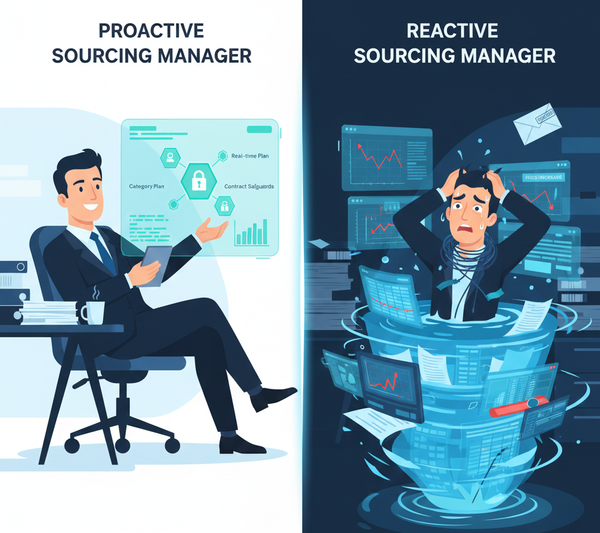
You’ve built the sourcing plan, everyone nodded enthusiastically in meetings, and now it’s time to actually make it happen. This is where theory meets reality (and reality usually has opinions). Execution and monitoring are what separate procurement heroes from procurement horror stories.
Step 1: Issuing RFPs, Evaluating Bids, and Awarding Contracts
Send out those RFPs like a pro. Make sure timelines are clear, requirements are locked, and vendors know you mean business. When bids start rolling in, resist the urge to pick the cheapest one just because Finance is hovering. Use your evaluation criteria (remember those weightings from yesterday’s post) and score vendors objectively.
Pro tip: Document everything. If a vendor complains about fairness, you’ll have a beautiful audit trail that says, “we did it right.”
Step 2: Setting SLAs and Monitoring Supplier Performance
Contracts aren’t just about price, they’re about performance. Define SLAs that matter: delivery timelines, quality standards, Company Metric compliance, and response times. Then monitor them like your reputation depends on it (because it does).
Dashboards are your best friend here. Visualize KPIs like on-time delivery, defect rates, and cost variance. Bonus points if you can make the dashboard colorful enough that even the CFO enjoys looking at it.
Step 3: Continuous Improvement and Feedback Loops
Procurement isn’t a one-and-done deal. Build feedback loops with stakeholders and suppliers. What worked? What didn’t? Where did timelines slip? Use this intel to improve processes and avoid déjà vu disasters.
Think quarterly reviews, supplier scorecards, and maybe even a friendly “lessons learned” session (with coffee, because caffeine makes feedback easier to swallow).
Real-World Example
A SaaS implementation project looked perfect on paper. Contracts were signed, SLAs agreed, and everyone was happy: until the vendor missed two critical integration deadlines. The sourcing team used performance dashboards to flag issues early, escalated through the SLA penalty clause, and added weekly check-ins. Result? The project got back on track, and the vendor learned that SLAs aren’t just something we like in the contract, we like it in real life too.
Final Thought
Execution and monitoring aren’t glamorous, but they’re where procurement wins or loses. Issue RFPs with clarity, monitor performance relentlessly, and keep improving. Because nothing says “success” like a project that delivers on time, on budget, and without a surprise meltdown. Carrying this through to how the vendor is managed ensures long term accountability and expectations that your entire team will appreciate.