The Invisible Margin Killer: Why Indirect Price Increases Go Unnoticed

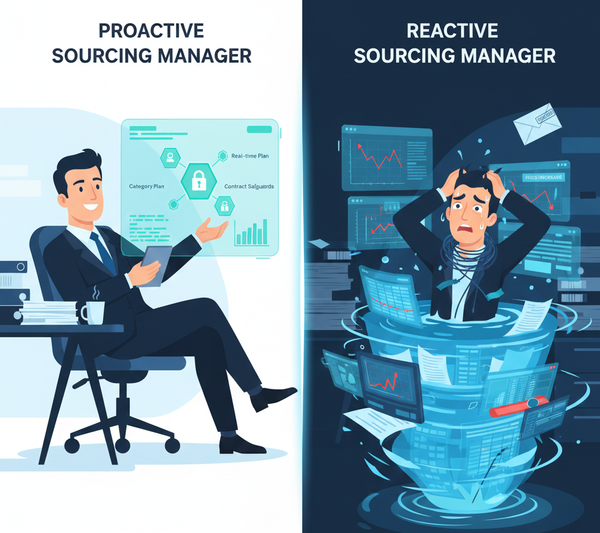
In many organizations, direct spend (which includes raw materials and production goods) is guarded like a fortress. However, indirect spend, comprising the software, facilities, and services that keep the lights on, often has an open gate policy.
When a price increase letter for a SaaS platform or an office cleaning contract arrives, it rarely lands on a procurement expert’s desk first. Instead, it goes to the department head who uses the service. Because they are focused on operations (not sourcing), their default setting is often automatic acceptance.
The Anatomy of the Silent Increase
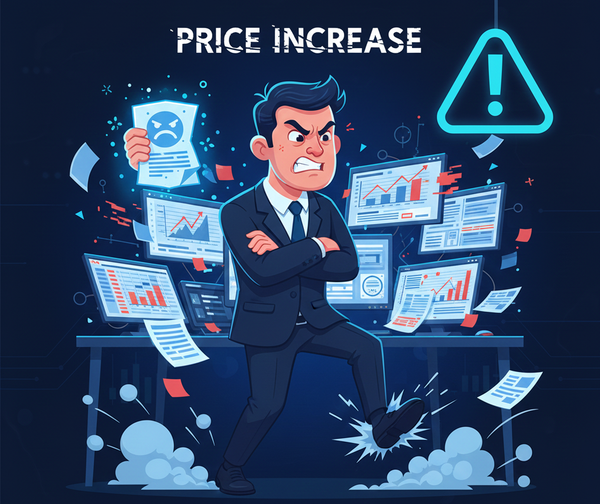
- The Notification Gap: Vendors often send 5% to 10% increase notices 30 days before a contract auto-renews. If that email is missed or ignored, the increase is locked in for another year.
- The Nuisance Threshold: For a $50,000 contract, a 5% increase is "only" $2,500. Many managers view this as too small to fight, failing to realize that across 100 indirect categories, this erodes millions in EBITDA.
- Compounding Interest: A 5% annual increase accepted without question leads to a price that is 27% higher after just five years.
Breaking the Cycle
To stop the bleed, procurement must centralize the intake of these letters. You cannot manage what you cannot see. By shifting from a "user-approves" model to a "procurement-vets" model, you signal to suppliers that every dollar of indirect spend is being watched.
The SourceSight Advantage: Our advanced platform acts as a centralized Control Tower, capturing price notifications and contract milestone so you can stop auto-pilot spending before the renewal window closes.