Understanding Stakeholder Needs

(The Foundation of Procurement Success)
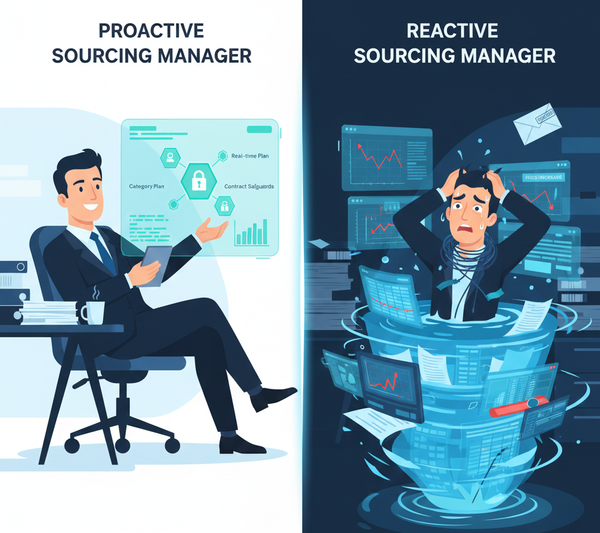
Procurement isn’t just about buying stuff. It’s about making sure everyone who cares about that stuff (and trust me, there are plenty) is on the same page. When stakeholders aren’t aligned, procurement turns into a game of “guess what I’m thinking”.
Why Stakeholder Alignment Matters
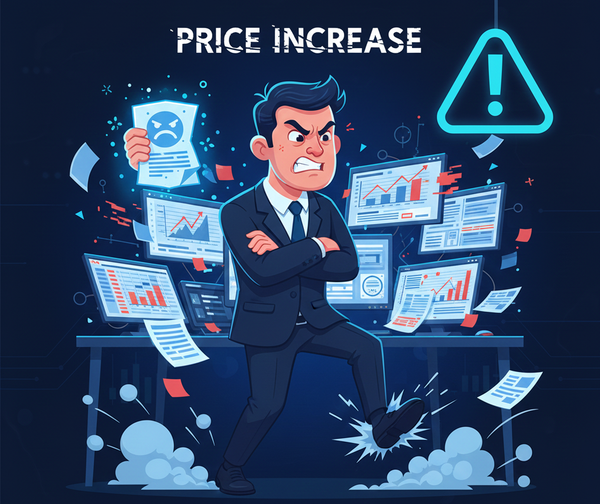
Misalignment doesn’t just cause delays, it creates chaos, wasted money, and awkward meetings where everyone pretends they didn’t see this coming.
Alignment is the glue that holds procurement together. Without it, you’re honestly just being lazy and setting yourself up for so many future disappointments and “why oh why” did I do this or worse someone else says “why oh why did YOU do this”.
How to Identify and Engage Stakeholders
Start by asking: who will use, pay for, approve, or be blamed for this purchase? That’s your stakeholder list. Typically, you’ll find:
- IT (because they make everything work)
- Finance (because they hold the purse strings)
- Sustainability (because green is the new black)
- Operations (because they actually run it once IT makes it work)
- Legal (because compliance isn’t optional, no matter how much you wish it was)
Engage early and often. Send invites, schedule workshops, and yes, brace yourself for opinions that contradict each other. It’s normal. Procurement is basically group therapy with spreadsheets.
Techniques for Gathering Requirements
Interviews (one-on-one chats where people tell you what they really want, and sometimes what they think you want to hear)Surveys (great for collecting data, terrible for nuance) Would really only use this as a time saver if you need to grab sentiments at mass but don’t have enough time to schedule individual meetings.Workshops (where everyone comes together in real time, argues, but at least you get alignment by the end)
Pro tip: document everything. If it’s not written down, it didn’t happen. And when someone says “I never asked for that,” you’ll have an audit trail.
Common Pitfalls When Needs Are Unclear
- Assumptions (because guessing is faster, right? Until it isn’t)
- Overlooking silent stakeholders (the ones who show up at the last minute and derail everything)
- Failing to prioritize (because apparently everything is “critical”)
When needs are unclear, procurement becomes a circus. Costs spiral, timelines explode, and suddenly everyone’s pointing fingers. The fix? Clarity upfront. It’s boring, but so is explaining why you spent $500K on something nobody can use.
Pro Tip
Put all of those alignment notes into your purchasing records! If you don't have a system yet, check out SourceSight.io and add these to the notes section of the supplier or procurement request!
Final Thought
Stakeholder alignment isn’t a nice-to-have. It’s the difference between procurement success and procurement horror stories that get whispered in hallways for years. So talk to your stakeholders, listen (really listen), and make sure everyone’s rowing in the same direction. Otherwise, enjoy the chaos (you earned it).