What Goes Into a Risk Register (And Why You Actually Need One)
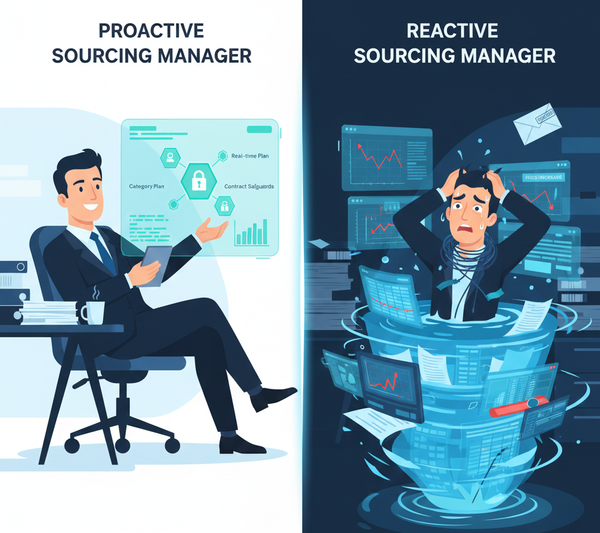
Contracts look great on paper—until something goes wrong. That’s when everyone starts scrambling, sending frantic emails, and wondering why no one thought ahead. Enter the risk register, your secret weapon for staying calm when things get messy.
Why Bother With a Risk Register?
Because “we’ll deal with it when it happens” is not a strategy. A risk register helps you identify potential issues, plan for them, and keep everyone calm when things are not going well.
What Should Go In Your Risk Register?
Here’s the breakdown:
- Risk ID and Description: Give each risk a unique identifier and a short description.
- Example: R-001: Vendor fails to meet SLA uptime requirement.
- Risk Category: Classify the risk (operational, financial, compliance, technical).
- Example: Compliance risk for regulatory reporting.
- Likelihood and Impact: Rate the probability (low, medium, high) and the impact on your business.
- Example: Likelihood: Medium, Impact: High.
- Risk Owner: Who’s responsible for keeping an eye on this?
- Example: Sourcing Manager or IT Lead.
- Mitigation Plan: What can you do now to reduce the chance or impact?
- Example: Implement automated SLA monitoring and escalation alerts.
- Contingency Plan: If the risk happens, what’s the backup plan?
- Example: Switch to backup vendor within 30 days.
- Status and Review Date: Track whether the risk is open, mitigated, or closed, and set review dates.
- Example: Status: Open, Next Review: Quarterly.
- Related Contract Terms: Link to relevant clauses (SLAs, penalties, renewal terms).
- Example: SLA clause 4.2, penalty $500 per hour downtime.
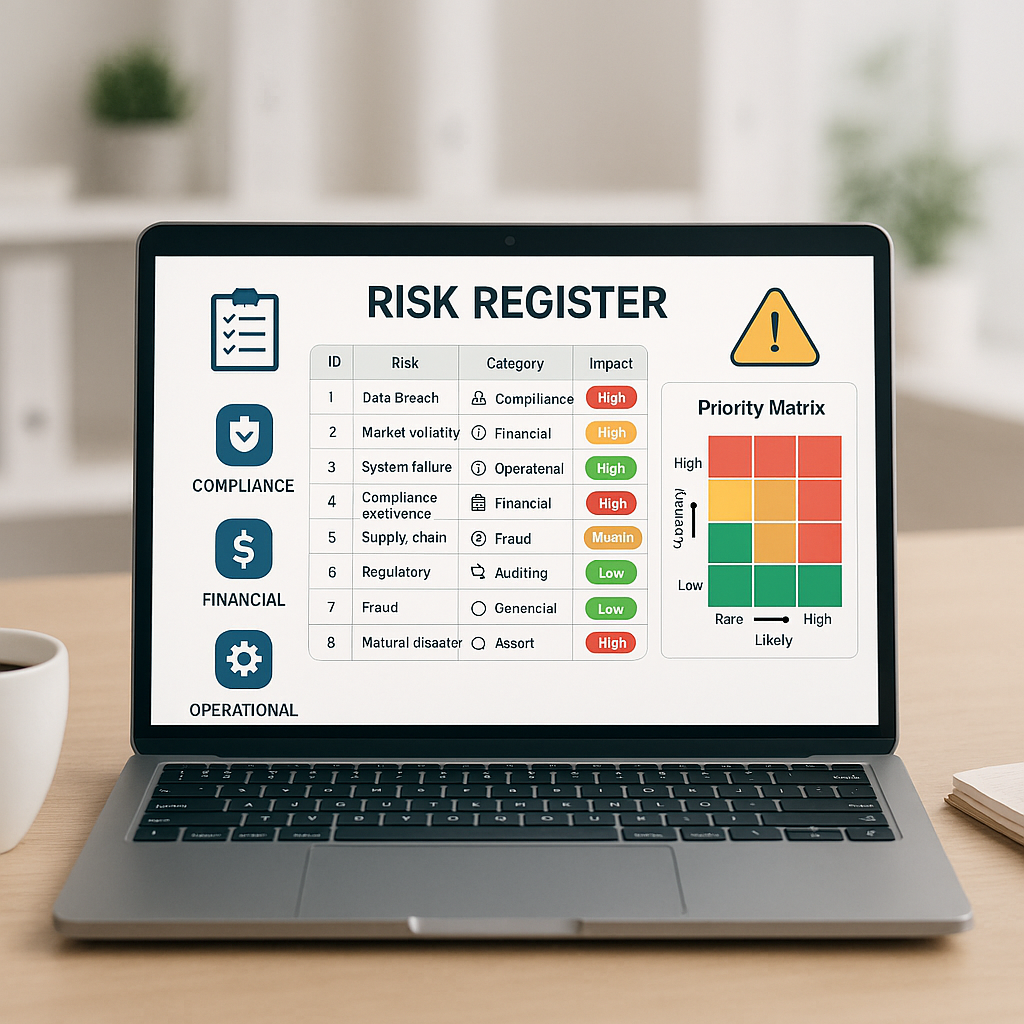
Add a Priority Matrix (Because Not All Risks Are Created Equal)
Personally, I rank it based on business and financial impact. Here’s how to decide what deserves your attention first:
This matrix keeps you from treating every risk like a firefight. Also, there’s no scale to chaos management and no one likes an office chaos agent. Keep things calm, keep them in perspective, and keep everyone feeling like you have it under control. To do this, focus on what will actually hurt your business and your wallet.
One more thing, don’t just create the risk register and forget about it. Review it regularly, update it when things change, and make sure your team knows where to find it.
A good risk register plus a priority matrix equals fewer surprises and fewer late-night panic sessions. Build it early, keep it updated, and thank yourself later.
Sincerely, your friendly neighborhood contract manager