Why Are the Basics So Important?

This week I’ve talked about two fundamentals of vendor, sourcing, and contract management: Step One: Read the contract. Step Two: Create a system to manage it.
Sounds simple, right? Yet every organization, big or small, struggles with these basics. Why?
Because it’s not glamorous. No one wants to be the person buried in contracts. And honestly, it’s harder than most people admit. Reading a contract and staying focused is tough. Then you’re expected to track all those pesky terms? Who volunteers for that?
Cue the inevitable frustration: “We didn’t choose this product because of the contract. We chose it because it solved a problem.” So why care about the fine print?
Here’s the truth: caring is a choice (and most people don’t care until they get punched in the face).
The Wake-Up Call: Software Audits
I first saw this with software audits. Companies signed up for products like Microsoft, Adobe, and IBM, all of which had terms allowing annual license audits. “Yeah sure, they won’t actually do that,” right?
Wrong. If you’re growing and spending more, they probably won’t bother. But if you try to cut costs or renew without expanding, brace yourself for that dreaded audit notice.
Executives often say, “Let them audit us,” because they have no idea what they signed or what people are using. Before subscriptions, when software came from download centers, audits could uncover millions in exposure. Then came the blame game:
- Who signed this?
- Why did they sign it?
- How did we not know our risk?
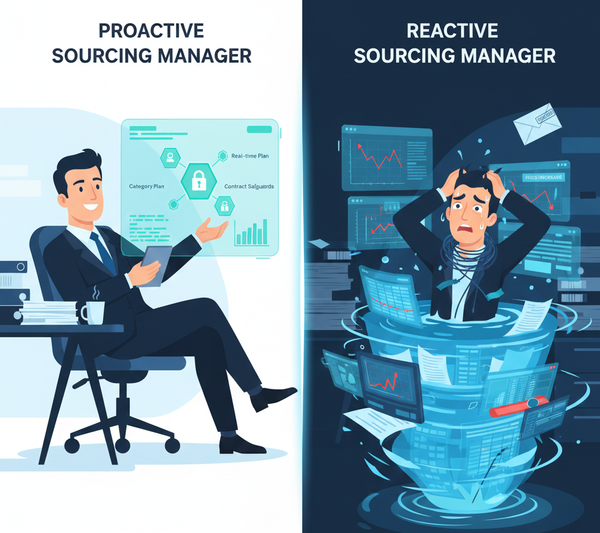
For the first decade of my career, I was the firefighter, cleaning up before audits burned the house down.
Flipping the Script
The first time I ever saw anyone flip the script on vendors was a major financial institution who decided to apply everything they learned from their audits and proactively negotiated favorable terms. They started negotiating contracts based on actual usage. One software was only needed during disaster recovery, so they wrote terms saying they wouldn’t pay unless that trigger occurred.
They analyzed growth trends (20 percent on some products) and negotiated better pricing to grow without increases. Vendors didn’t push back because they cared more about closing deals than losing them.
They started putting in “not to exceed” pricing language before renewals. They used their contract renewal pipeline as a target list, focused on the largest spend and spent their time making sure the terms were working for them and not the other way around.
The Bottom Line
Whether you’re fighting fires after an audit or trying to gamify negotiations, you can’t do either if you don’t know your commitments. You need visibility. You need a system.
If you don’t have a place to store and track contract logic, you’re starting from zero. It could take months or years to get organized enough to hit your goals.
Don’t play the woulda, coulda, shoulda game. Read your contracts. Store what you learn. These two steps are the foundation of any optimized sourcing strategy. You cannot progress without them.
Sincerely, your friendly neighborhood contract detective.